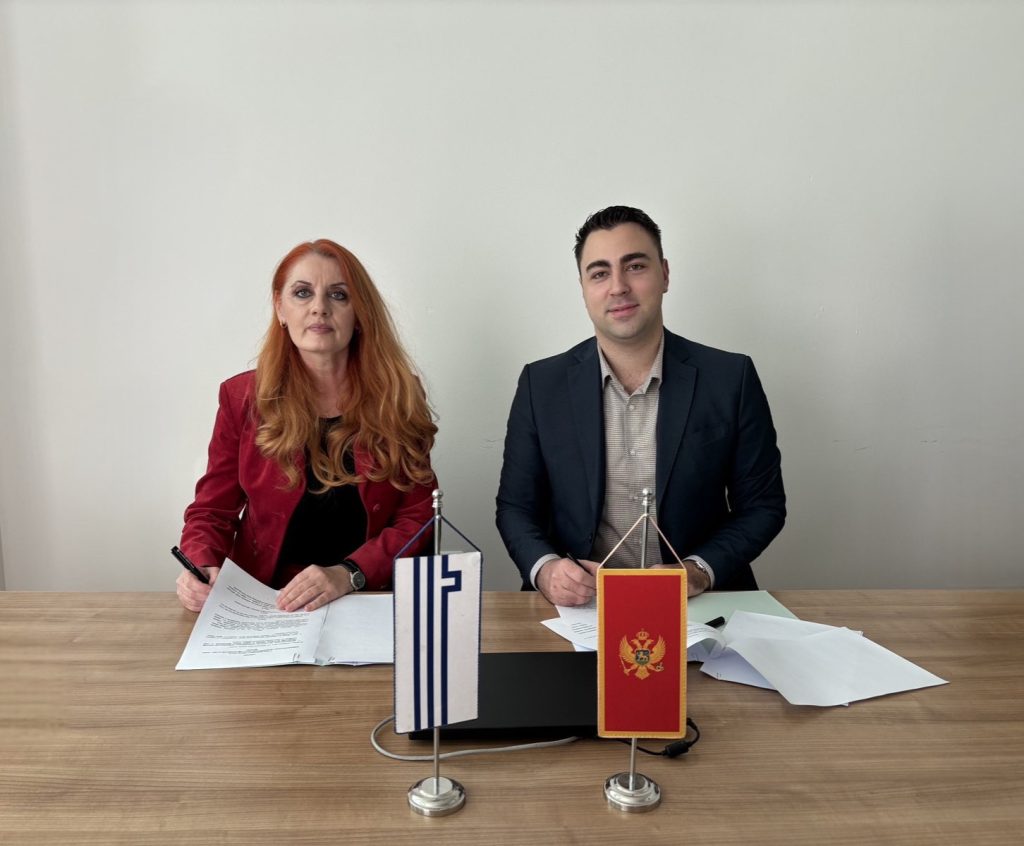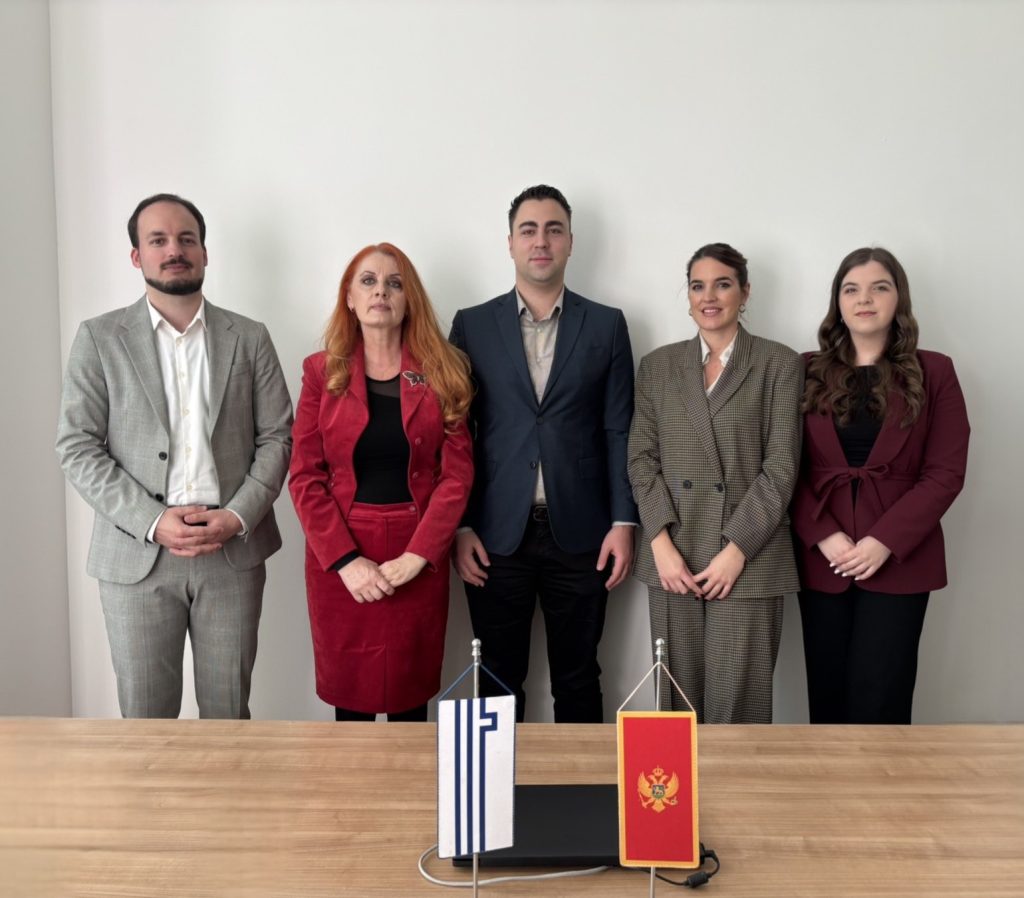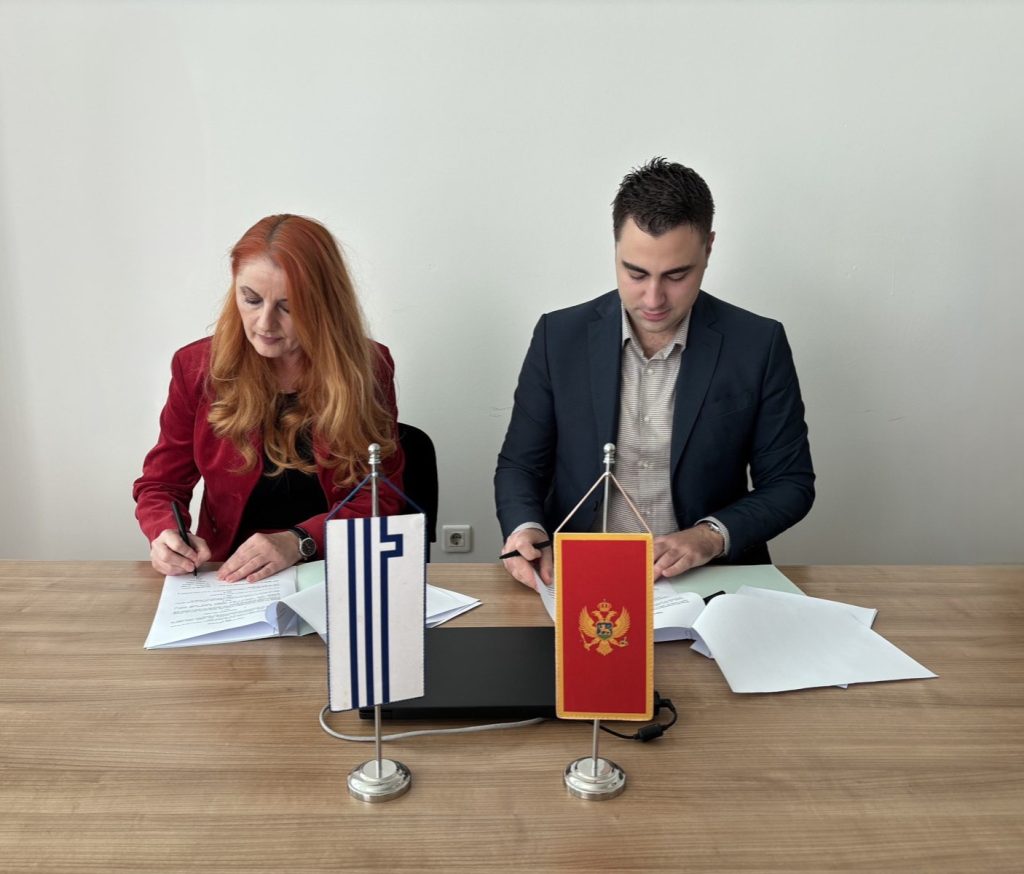
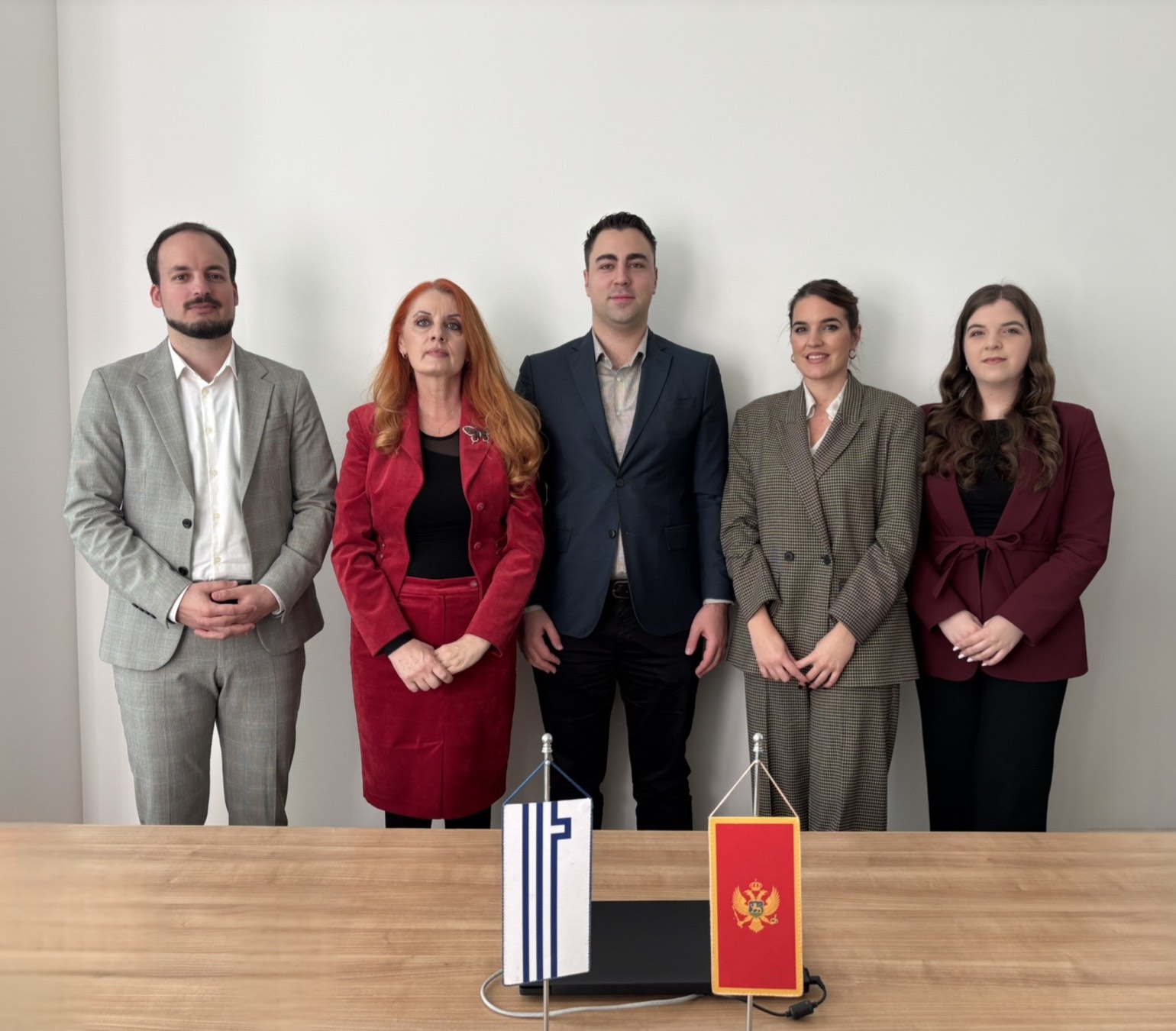
In honor of Podgorica Day, as a strong confirmation that young people actively contribute to community development and drive positive social change, the Contract for Delegating Administrative and Technical Tasks at the Capital City’s “Zona mladih” Youth Club has been extended. The contract was signed by Slađana Anđušić, Secretary of the Secretariat for Local Self-Government and Cooperation with Civil Society of the Capital City, and David Vukićević, President of the Network for Youth Activism of Montenegro (MOACG).
The Capital City Youth Club “Zona mladih,” managed by the Network for Youth Activism of Montenegro (MOACG), achieved outstanding results in its work with young people from February to December 2025, confirming its position as a central hub for non-formal education, participation, and the development of youth policy in Podgorica.
During this period, more than 3,000 youth participations were recorded in the Youth Club’s attendance log, while the implementation rate of the Work Plan reached 144%, significantly exceeding the planned indicators. More than 90 activities were implemented within the Work Plan, as well as through other MOACG action plans and programs.
Over 400 young people used the opportunity for consultations at the Youth Club, while the Club’s work was presented to the public through more than 160 media appearances and features. In addition, over 220 pieces of content related to Youth Club activities were published on MOACG’s social media channels, ensuring continuous visibility of cooperation with the Capital City and the Youth Office.
The implemented programs covered a wide range of areas, including non-formal education, employability and skills development for young people, mental and physical health, human rights, youth activism, culture, and the promotion of public dialogue.
A particularly notable aspect is the high level of trust young people place in MOACG’s work, reflected not only in the significantly higher number of youth participations than planned, but also in the fact that the “Zona mladih” Youth Club was used throughout the year as a daily space for learning, socializing, exchanging ideas, and developing social skills.
In its first year of operation in expanded premises, the Capital City’s “Zona mladih” Youth Club has successfully positioned itself as an open, inclusive, and functional space for young people, with a clearly measurable impact on strengthening youth participation and active citizenship in the Capital City.
“Young people are the driving force, and ‘Zona mladih’ remains their place,” Anđušić and Vukićević stated.